Key Takeaways
- A rainscreen creates a drainage and ventilation gap behind siding so moisture can escape—critical for homes in Surrey, Langley, and Abbotsford.
- Flashing and tape details at windows, doors, and deck ledgers matter more than the siding brand you choose.
- "Square and plumb" framing reduces long-term cracking, sticking doors, and wavy finishes in both new builds and renovations.
- The best exterior upgrades consider moisture management, fire resilience, and maintenance as one integrated package.
- BC Building Code Part 9 Section 9.27 governs cladding installation—your contractor should know it inside and out.
If you own a home in the Fraser Valley—whether in Surrey, Abbotsford, Langley, Mission, Chilliwack, or Hope—you don't need convincing that water always finds the weak spot. Around windows, at deck ledgers, at roof-to-wall transitions, and anywhere the exterior "envelope" was assembled without a drainage strategy, moisture intrusion is the single biggest threat to your home's longevity.
At Parmnoor Construction, we treat exterior work as a system: structure + water management + ventilation + finish. This article explains, in plain language, what a rainscreen is, why it matters in BC, and how to tell whether a contractor is building you a durable wall—or just installing pretty siding. If you're planning exterior work, check out our full range of exterior services our services.
The Fraser Valley Problem: Wet Walls Need a Drying Path
In a rainy climate like the Lower Mainland—where Surrey and Langley receive over 1,500 mm of annual precipitation and Mission and Chilliwack see even more—your exterior cladding will get wet. Sometimes from driving rain, sometimes from condensation, sometimes from tiny leaks at penetrations. The goal is not "zero water ever." The goal is "water drains out and the wall dries fast."
A rainscreen approach achieves this by adding two critical layers: a water-resistive barrier (WRB) behind the cladding, and a capillary break or drainage gap so liquid water can fall downward and air can circulate to promote drying. Under BC Building Code Section 9.27.3, cladding systems in the Lower Mainland must incorporate a capillary break and drainage path—this is not optional.
What a "Rainscreen" Actually Is (Homeowner Version)
A modern rainscreen wall typically includes four layers working together:
Layer 1: Structural Sheathing
The structural skin of the wall—usually plywood or OSB—provides racking resistance and a nailing surface. In homes across Abbotsford and Mission, we frequently find older sheathing that has absorbed moisture due to failed or missing WRB systems. This must be assessed and replaced where compromised before any new cladding goes on.
Layer 2: Water-Resistive Barrier (WRB)
Often called "housewrap," the WRB is your second line of defense. Products like DuPont Tyvek HomeWrap or self-adhered membranes block liquid water but allow vapor to pass through, letting the wall assembly dry. The WRB must be lapped correctly—shingle style, with upper layers overlapping lower layers—and integrated with window and door flashings using compatible tapes.
Layer 3: Drainage and Ventilation Gap
This is the rainscreen itself—a 10mm to 19mm gap created by vertical strapping (furring strips) or a drainage mat. Water that penetrates the cladding hits the WRB and drains downward through this cavity. Air circulation within the gap accelerates drying. At the bottom of the wall, the cavity must be open with insect screening to allow drainage and ventilation.
Layer 4: Cladding (Siding)
The outermost layer—fiber cement, engineered wood, cedar, or vinyl—serves as the first plane of rain deflection and provides the aesthetic finish. Think of it like a rain jacket: the jacket blocks most rain, and the airflow underneath helps anything that sneaks in dry out quickly.
Pro Tip
When getting quotes for siding replacement in Surrey or Langley, ask your contractor to show you the WRB and drainage gap detail in their proposal. If they can't explain how water exits the bottom of the wall, that's a red flag. A proper rainscreen detail should include bug screen at the base and ventilation at the top.
Framing That Supports the Finish
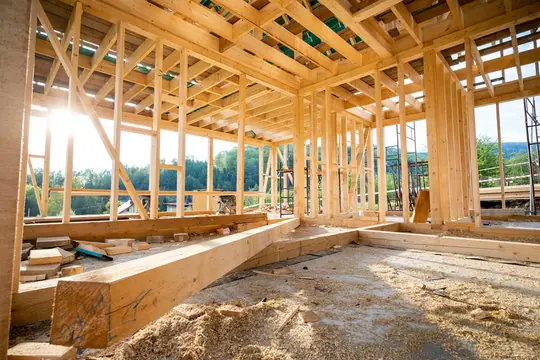
Siding looks best when the structure underneath is straight. When we do structural framing for homes in Abbotsford, Chilliwack, and Hope, we prioritize four things: load path clarity (knowing exactly what carries what), proper headers and beams for window and door openings, floor systems that feel solid underfoot without bounce, and roof-to-wall connections that minimize differential movement.
A practical homeowner tip: the best exterior projects start with measurement and layout. If the crew doesn't talk to you about straightening walls, correcting out-of-plane framing, or integrating sheathing and air-barrier details, ask why. In older homes across Mission and Chilliwack, we routinely find walls that are 1–2 inches out of plumb, which causes wavy siding lines and poor window trim fit.
Materials: Fiber Cement vs Engineered Wood vs Cedar
Fiber Cement (James Hardie, Allura)
Choose this if you want a tough, dimensionally stable cladding with excellent fire resilience. Fiber cement carries a Class A fire rating (ASTM E136) and won't rot, warp, or attract woodpeckers. It's the most popular choice for new construction and major renovations across Surrey and Langley. Typical installed thickness is 8mm–12mm with a 30–50 year manufacturer warranty when properly maintained.
Engineered Wood (LP SmartSide)
Choose this if you want the look and workability of wood with better moisture resistance than natural lumber. LP SmartSide uses a treated strand substrate with a resin-saturated overlay. It's lighter than fiber cement, easier to cut on-site, and performs well when paired with a proper drainage plane—making it popular for renovations in Abbotsford and Mission where budgets are tighter.
Western Red Cedar
Choose this if you want a premium natural West Coast aesthetic. Cedar offers natural decay resistance due to its extractive oils, but it still needs correct detailing, a finishing strategy (stain or paint), and smart exposure management. Cedar is best used on protected elevations; heavily rain-exposed walls in Hope or Chilliwack benefit from more durable cladding options.
Pro Tip
Regardless of which material you choose, never install cladding directly against the WRB without a drainage gap in the Fraser Valley climate. Even vinyl siding—which many homeowners assume is "maintenance free"—performs better and lasts longer with a rainscreen cavity behind it.
The Leak Points That Matter Most
Most leaks don't start in the middle of a wall. They start at transitions—the places where different materials, planes, and penetrations meet:
Windows and doors require head flashing, side flashing, and sill pans. In Abbotsford and Surrey, we see more window leaks caused by missing or reversed head flashing than any other single defect. Deck ledger boards need integrated flashing that ties into the WRB system. Roof-to-wall transitions need kick-out flashing or diverters to prevent water from running behind the cladding. Hose bibs, dryer vents, and electrical penetrations need compatible gaskets and tapes.
If you only remember one thing from this article: siding is not waterproofing. The waterproofing strategy is behind and underneath it.
A Simple "Good Contractor" Checklist for Exterior Work
Before you hire a siding contractor in Surrey, Langley, Abbotsford, Mission, Chilliwack, or Hope, verify these five things: They explain the WRB system and show you the window/door flashing detail. They demonstrate how water drains at the bottom of the wall assembly. They use compatible tapes, flashings, and sealants from the same manufacturer system. They discuss ventilation behind cladding and insect screening at openings. They plan how decks, railings, and penetrations integrate with the envelope before installation begins—not as an afterthought.
Ready to Upgrade Your Exterior?
If you want an exterior that looks sharp and performs for decades in BC weather, book a consult with Parmnoor Construction. We serve the entire Fraser Valley from Surrey to Hope.
Frequently Asked Questions
Do all Fraser Valley homes need a rainscreen?
Can you install new siding over old siding?
Will a rainscreen fix existing rot?
How long does a siding replacement usually take?
What's the first step if I suspect leaks?
Sources (Official Links)
Related Reading
How to Legalize a Basement Suite in the Fraser Valley: BC Code Checklist for Egress, Fire, Sound, and Permits
2025-11-03OUTDOORSWaterproof Vinyl Decks in the Fraser Valley: Build a Walkable Roof Deck That Stays Dry
2026-02-14MAINTENANCEGutters in the Fraser Valley: Sizing, Leaf Guards, and Downspout Routing for Heavy Rain Seasons
2026-02-24Our Referral Program
Homeowner Discount
Referred by a Realtor, Property Manager, or someone you trust? Mention your referral to unlock an exclusive discount on your project—no codes, no fine print.
Partner Commissions
Are you a professional? Earn transparent, documented commissions on every referred project with 24-hour quotes and priority scheduling.